
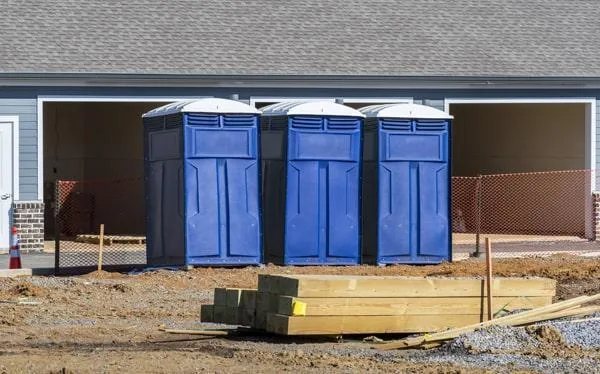
Make the first stage workable in its own right
A standard portable toilet gives workers private temporary toilet space with waste retained for agreed servicing. Separate handwashing is another function to plan. Identify appropriate accessible needs and any specifically required enhanced features before choosing the actual equipment.
Describe the people working in the initial stage, their hours and any building bathrooms genuinely available to them. Include other users who are part of the accepted arrangement. Do not rely on the largest possible future crew as the only planning detail, or overlook current workers while waiting for the full programme to settle.
Separate confirmed requirements from later possibilities
For example, initial ground works may be agreed while a later trade package still has provisional dates and staffing. Give the provider both sets of information, clearly identifying the uncertainty. An expressly scoped initial offer and a requested later option are not the same as a confirmed order for every possible stage.
Ask what information would be needed to review the later change. Do not assume equipment is being held, that a quoted date automatically extends or that additional units can appear without confirmation. The useful distinction is what the supplier has accepted now and what still needs a later decision.
Confirm the current site and service arrangements
Agree the property-approved position, stable ground, usable worker approach and suitable door space, including the actual accessible arrangement. The provider also needs a workable route for delivery, cleaning and collection. A position that suits the first drawing may need review if plant, fencing or material storage changes it.
Clarify supplies, ordinary site checks and the provider’s cleaning and replenishment scope. Name a receiving contact who understands the agreed position. Site staff should report access or equipment problems, not drag units, handle waste or improvise repairs to keep the programme moving.
Carry each accepted change into the order
The initial quote should state the equipment and quantity, rental period, washing, care, delivery and collection. When another stage becomes definite, give the provider the changed users, hours, location or service-access information and obtain an updated arrangement where needed.
Keep an agreed end or review point even if the wider construction project is continuing. Work continuing somewhere on the property does not establish that every earlier rental term or access permission remains valid. A clear stage-by-stage record helps the purchaser and site contact work from the same accepted instructions.
Questions before you book
Can I discuss future stages before their dates are certain?
Yes. Label those details as provisional and distinguish a requested option from the equipment and period actually accepted.
Does an initial quote reserve units for every possible later crew?
Do not assume so. Confirm what is included and ask how later requirements should be reviewed when they become definite.
What if the worksite layout changes before a service visit?
Tell the site contact and provider so they can assess a workable approach or agreed relocation. Do not move hired units without the appropriate arrangement.